
It's one thing to be taxed on retirement contributions and their related earnings when you withdraw funds from your IRA or 401(k) during retirement. It's quite another when you pay the tax PLUS a 10% penalty for an early withdrawal. Need funds prior to retirement and want to avoid the early withdrawal penalty? Here is what you need to know.
We Do Books™ Blog
The information provided on this site is for general informational purposes only and should not be construed as professional financial, tax, or legal advice. For advice tailored to your specific situation, we recommend consulting with a qualified professional. We Do Books is here to assist by calling 855-922-WeDo (9336)
If you have problems getting to sleep at night and you turn to the IRS tax code for help, you might find some vocabulary that is very foreign to words you use every day. One of the more common words used by the IRS is the term contemporaneous. So what does it mean and why should you care?
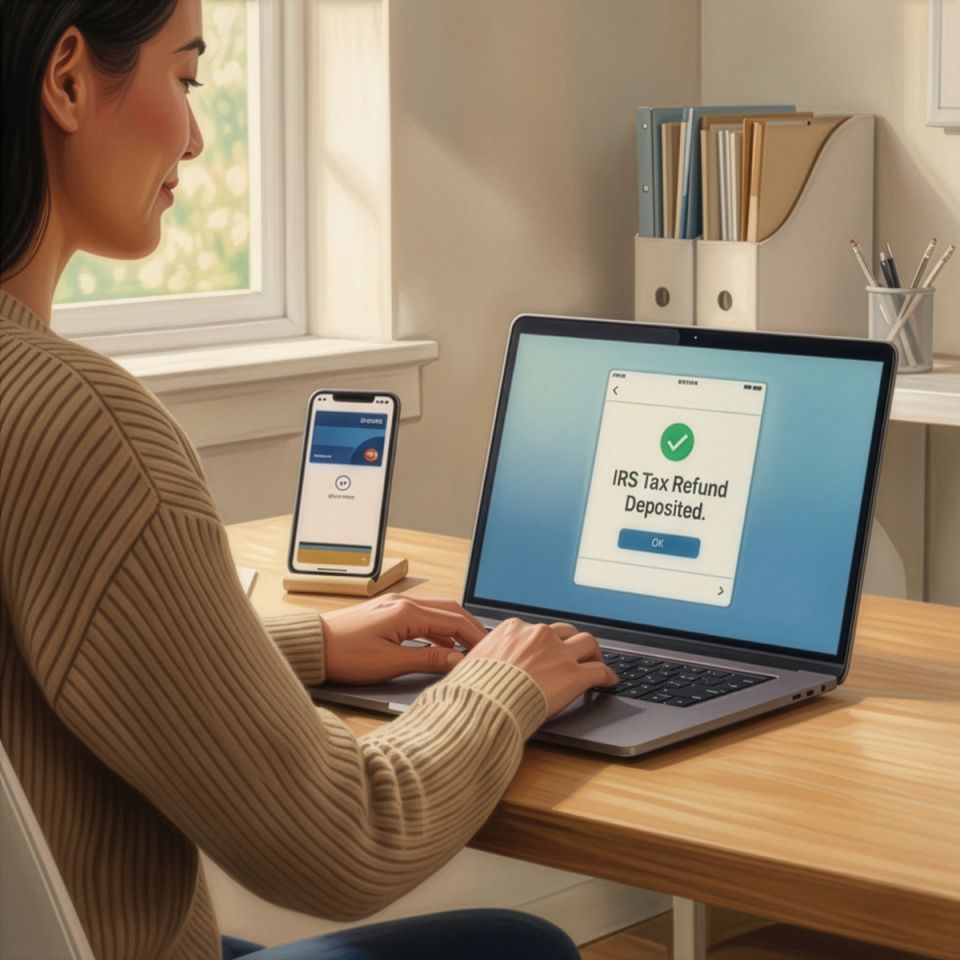
If you’re used to getting your tax refund as a paper check, that era is basically over.
In March 2025, a presidential executive order directed federal agencies to move federal payments and collections away from paper and into electronic systems “to the extent permitted by law.” That includes IRS refunds and, eventually, payments to the IRS as well.
Following that order, the IRS announced that it would begin phasing out paper refund checks for individual taxpayers starting September 30, 2025.
For the 2026 filing season and beyond, taxpayers should assume that refunds will normally be paid electronically, with paper checks reserved for a shrinking set of exceptions.
For years, crypto tax reporting has lived in a strange world where taxpayers were expected to self-report everything while the IRS had limited third-party visibility. That era is ending.
Starting with 2025 transactions, custodial crypto platforms must begin reporting certain digital asset sales and exchanges on a new IRS information return: Form 1099-DA (Digital Asset Proceeds From Broker Transactions).
That means more taxpayers will receive crypto tax forms that look and feel a lot like the brokerage forms we have dealt with for decades.
Convenient? Eventually.
Pain-free? Do not get carried away.
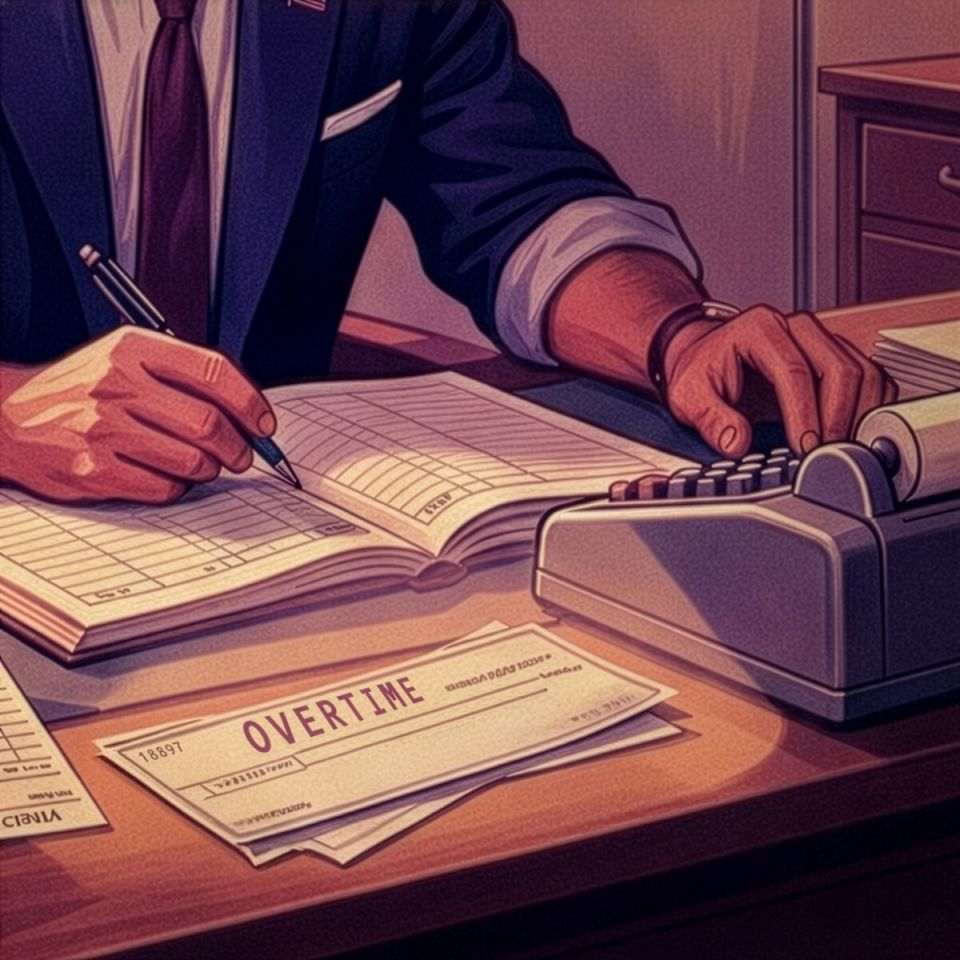
With the passage of the One Big Beautiful Bill Act (OBBBA) of 2025, there's the ability to receive a deduction for overtime pay from your federal tax obligation. Here's a recap of the rule and several tax tips to ensure you receive the full benefit of the deduction.